
YouTube’s AI Overviews want to make search results smarter
YouTube is experimenting with a new AI feature that could change how people find videos. Here’s the kicker: not everyone is going to love it.The platf

Samsung’s Project Moohan XR headset has grabbed all the spotlights in the past few months, and rightfully so. It serves as the flagship launch vehicle for a reinvigorated Android XR platform, with plenty of hype from Google’s own quarters.
But it seems Samsung has even more ambitious plans in place and is reportedly experimenting with different form factors that go beyond the headset format. According to Korea-based ET News, the company is working on a pair of smart glasses and aims to launch them by the end of the ongoing year.
Currently in development under the codename “HAEAN” (machine-translated name), the smart glasses are reportedly in the final stages of locking the internal hardware and functional capabilities. The wearable device will reportedly come equipped with camera sensors, as well.

The latest leak doesn’t dig into specifics about the internal hardware, but another report from Samsung’s home market sheds some light on the possibilities. As per Maeil Business Newspaper, the Samsung smart glasses will feature a 12-megapixel camera built atop a Sony IMX681 CMOS image sensor.
It is said to offer a dual-silicon architecture, similar to Apple’s Vision Pro headset. The main processor on Samsung’s smart glasses is touted to be Qualcomm’s Snapdragon AR1 platform, while the secondary processing hub is a chip supplied by NXP.
The onboard camera will open the doors for vision-based capabilities, such as scanning QR codes, gesture recognition, and facial identification. The smart glasses will reportedly tip the scales at 150 grams, while the battery size is claimed to be 155 mAh.
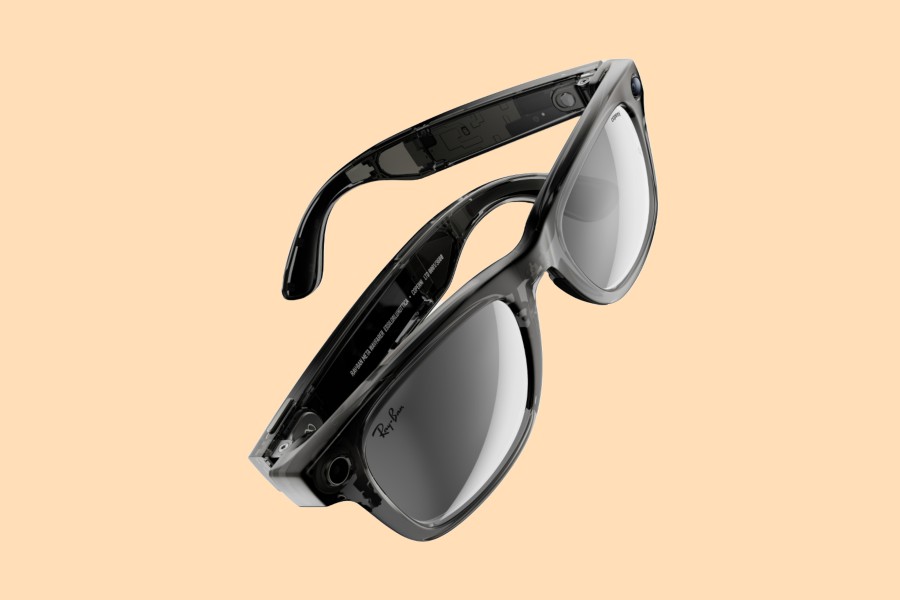
An onboard AI will reportedly be their key selling point. In this case, Samsung will rely on Google’s Gemini assistant. The approach is not too different from Meta, which has already integrated its Meta AI atop the Stories smart glasses created in partnership with Ray-Ban.
The report also mentions that Samsung’s smart glasses will be similar to the Ray-Ban Meta AI Glasses, which is not a bad approach. Meta has tasted quite some unexpected success with its camera-equipped smart glasses and it is now pushing ahead with far more ambitious ideas such as the Orion holographic glasses.
Samsung is reportedly planning an initial batch of half a million units for its smart glasses, and it is quite likely that we will get a glimpse at the company’s next Unpacked event somewhere around July.
Google, on the other hand, continues to tease its own smart glasses with Gemini and the futuristic Project Astra capabilities, but hasn’t made any product launch commitments so far. It would be interesting to see how Samsung steers the direction of the Android XR platform atop the smart glasses vehicle.

YouTube is experimenting with a new AI feature that could change how people find videos. Here’s the kicker: not everyone is going to love it.The platf
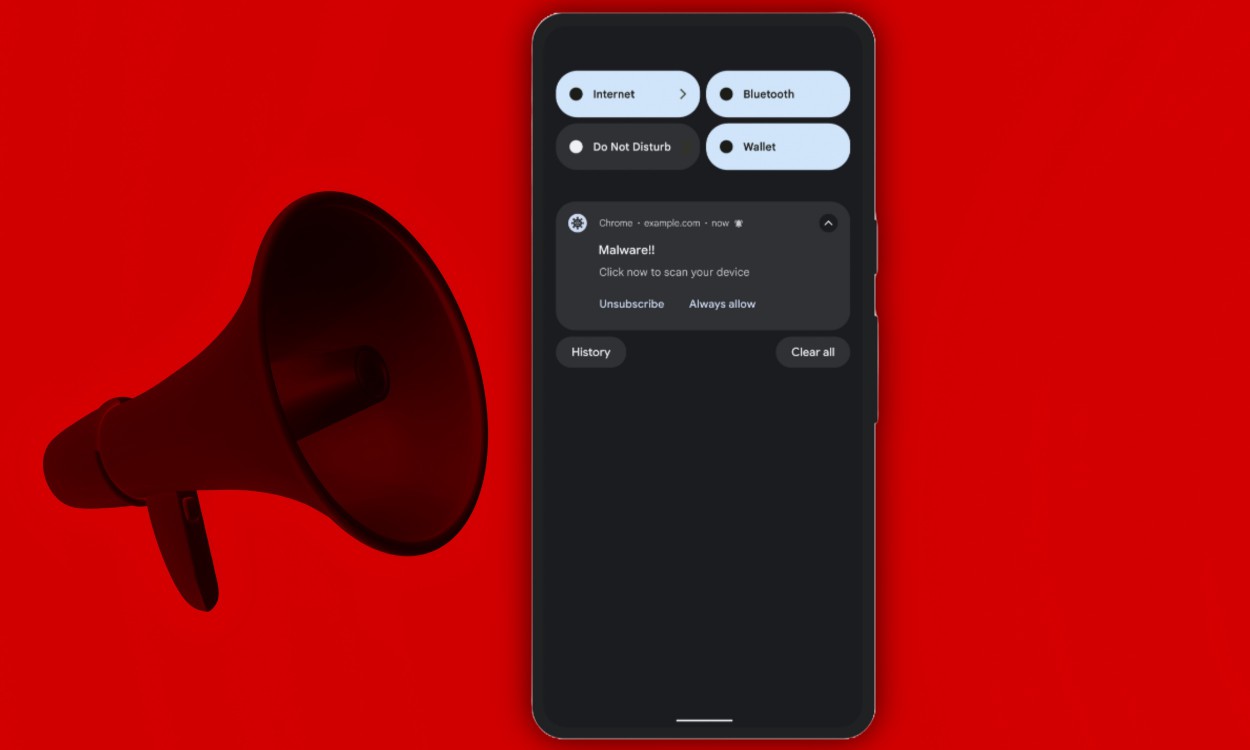
Google’s Chrome browser has offered a rich suite of privacy and safety features for a while now. Take, for example, Enhanced Safe Browsing, which was
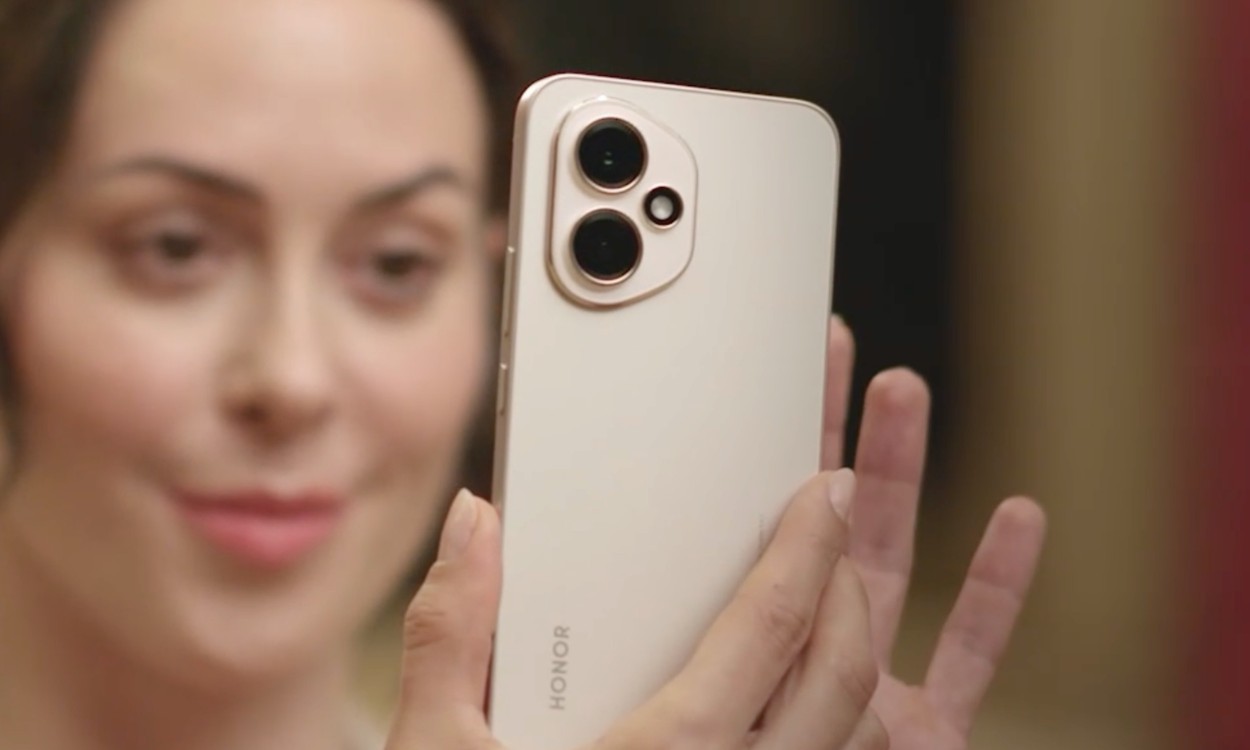
Chinese smartphone brand, Honor, is usually at the helm of camera-centric smartphone innovations and delivering ultra-slim foldable phones. For its ne
Late last year, Microsoft introduced a new AI feature called Copilot Vision for the web, and now it’s being made available on mobile devices. This fea

OpenAI has established a free public resource called ‘OpenAI Academy,’ geared toward providing AI education to all knowledge levels.Among the free off

Copilot Is Coming To Gaming, Xbox Play Anywhere Updates, And More Official Xbox PodcastCopilot for Gaming is an AI that can improve gaming experience,

MetaMillions of Facebook, Instagram, WhatsApp, and Messenger users throughout the Middle East now enjoy access to Meta’s self-named AI chatbot platfor

ChatGPT is becoming more accessible to the masses. Its ChatGPT Search feature is now available without having to log in to the popular chatbot. Parent
We are a comprehensive and trusted information platform dedicated to delivering high-quality content across a wide range of topics, including society, technology, business, health, culture, and entertainment.
From breaking news to in-depth reports, we adhere to the principles of accuracy and diverse perspectives, helping readers find clarity and reliability in today’s fast-paced information landscape.
Our goal is to be a dependable source of knowledge for every reader—making information not only accessible but truly trustworthy. Looking ahead, we will continue to enhance our content and services, connecting the world and delivering value.