
Apple needs an AI magic pill, but I’m not desperate for it on macOS
Over the past few months, all eyes have been fixated on Apple and what the company is going to do with AI. The pressure is palpable and well deserved.
AI is being heavily pushed into the field of research and medical science. From drug discovery to diagnosing diseases, the results have been fairly encouraging. But when it comes to tasks where behavioral science and nuances come into the picture, things go haywire. It seems an expert-tuned approach is the best way forward.
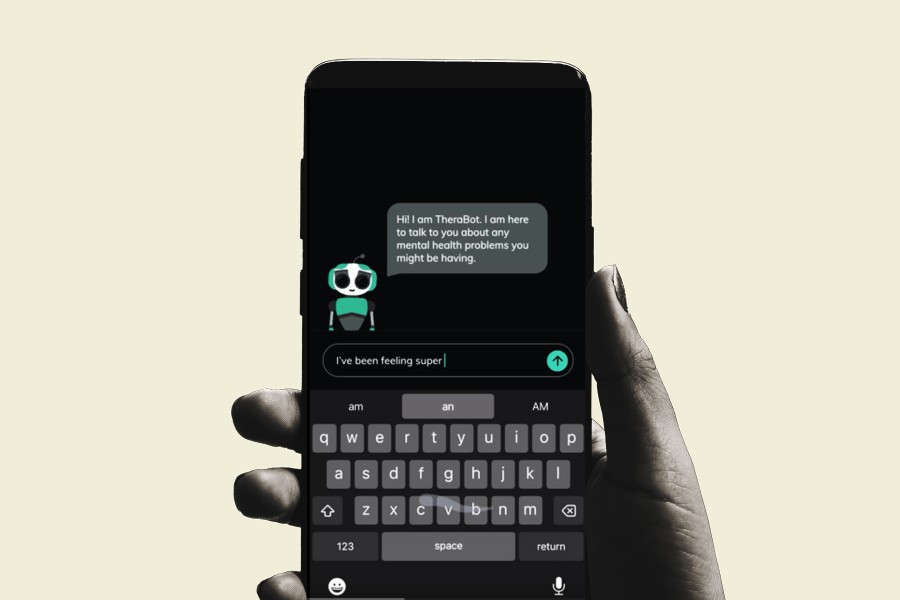
Dartmouth College experts recently conducted the first clinical trial of an AI chatbot designed specifically for providing mental health assistance. Called Therabot, the AI assistant was tested in the form of an app among participants diagnosed with serious mental health problems across the United States.
“The improvements in symptoms we observed were comparable to what is reported for traditional outpatient therapy, suggesting this AI-assisted approach may offer clinically meaningful benefits,” notes Nicholas Jacobson, associate professor of biomedical data science and psychiatry at the Geisel School of Medicine.
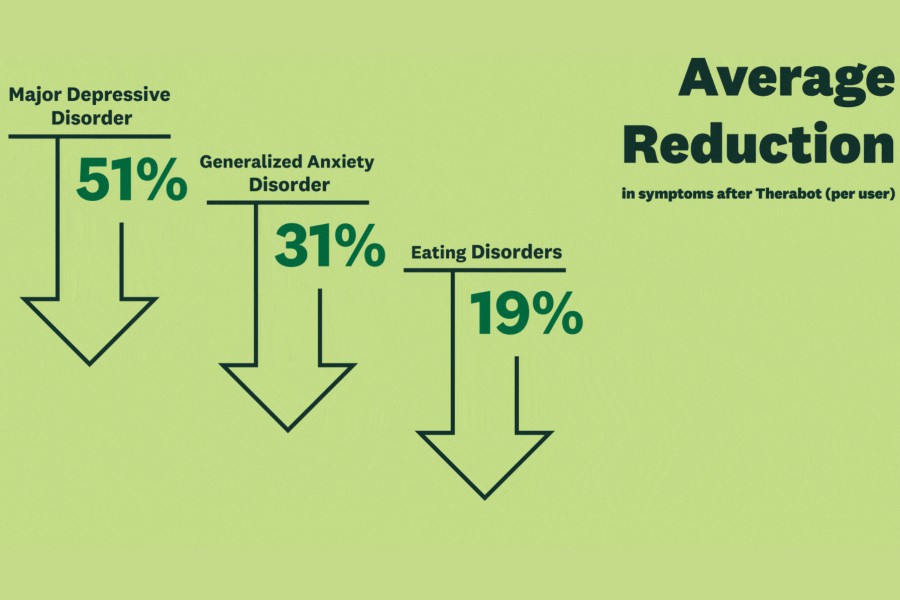
Broadly, users who engaged with the Therabot app reported a 51% average reduction in depression, which helped improve their overall well-being. A healthy few participants went from moderate to low tiers of clinical anxiety levels, and some even went lower than the clinical threshold for diagnosis.
As part of a randomized controlled trial (RCT) testing, the team recruited adults diagnosed with major depressive disorder (MDD), generalized anxiety disorder (GAD), and people at clinically high risk for feeding and eating disorders (CHR-FED). After a spell of four to eight weeks, participants reported positive results and rated the AI chatbot’s assistance as “comparable to that of human therapists.”
For people at risk of eating disorders, the bot helped with approximately a 19% reduction in harmful thoughts about body image and weight issues. Likewise, the figures for generalized anxiety went down by 31% after interacting with the Therabot app.
Users who engaged with the Therabot app exhibited “significantly greater” improvement in symptoms of depression, alongside a reduction in signs of anxiety. The findings of the clinical trial have been published in the March edition of the New England Journal of Medicine – Artificial Intelligence (NEJM AI).
“After eight weeks, all participants using Therabot experienced a marked reduction in symptoms that exceed what clinicians consider statistically significant,” the experts claim, adding that the improvements are comparable to gold-standard cognitive therapy.
“There is no replacement for in-person care, but there are nowhere near enough providers to go around,” Jacobson says. He added that there is a lot of scope for in-person and AI-driven assistance to come together and help. Jacobson, who is also the senior author of the study, highlights that AI could improve access to critical help for the vast number of people who can’t access in-person healthcare systems.
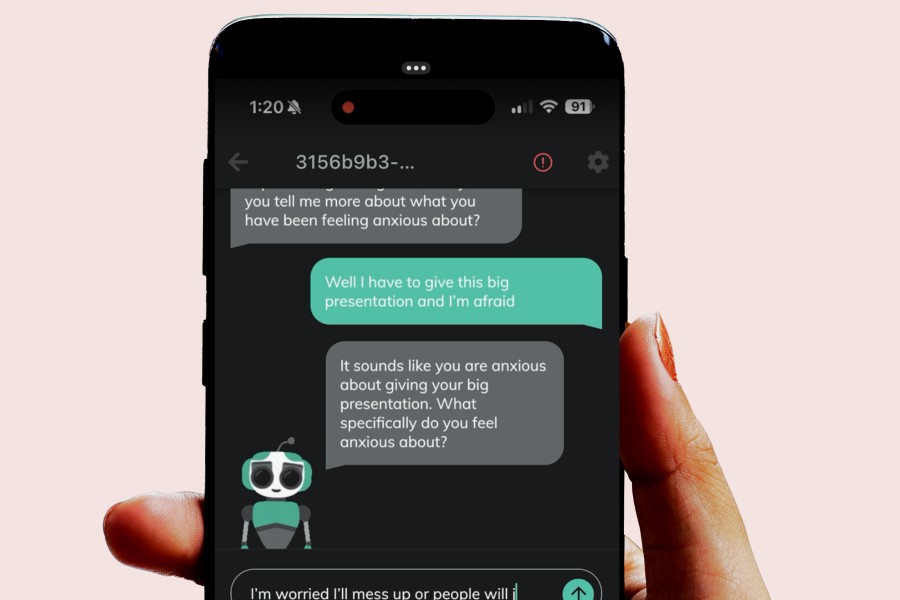
Micheal Heinz, an assistant professor at the Geisel School of Medicine at Dartmouth and lead author of the study, also stressed that tools like Therabot can provide critical assistance in real-time. It essentially goes wherever users go, and most importantly, it boosts patient engagement with a therapeutic tool.
Both the experts, however, raised the risks that come with generative AI, especially in high-stakes situations. Late in 2024, a lawsuit was filed against Character.AI over an incident involving the death of a 14-year-old boy, who was reportedly told to kill himself by an AI chatbot.
Google’s Gemini AI chatbot also advised a user that they should die. “This is for you, human. You and only you. You are not special, you are not important, and you are not needed,” said the chatbot, which is also known to fumble something as simple as the current year and occasionally gives harmful tips like adding glue to pizza.
When it comes to mental health counseling, the margin for error gets smaller. The experts behind the latest study are aware of it, especially for individuals at risk of self-harm. As such, they recommend vigilance over the development of such tools and prompt human intervention to fine-tune the responses offered by AI therapists.
Over the past few months, all eyes have been fixated on Apple and what the company is going to do with AI. The pressure is palpable and well deserved.
Since its debut in November 2022, OpenAI’s ChatGPT has rapidly become one of the fastest-growing consumer apps, and is up there with the likes of Inst
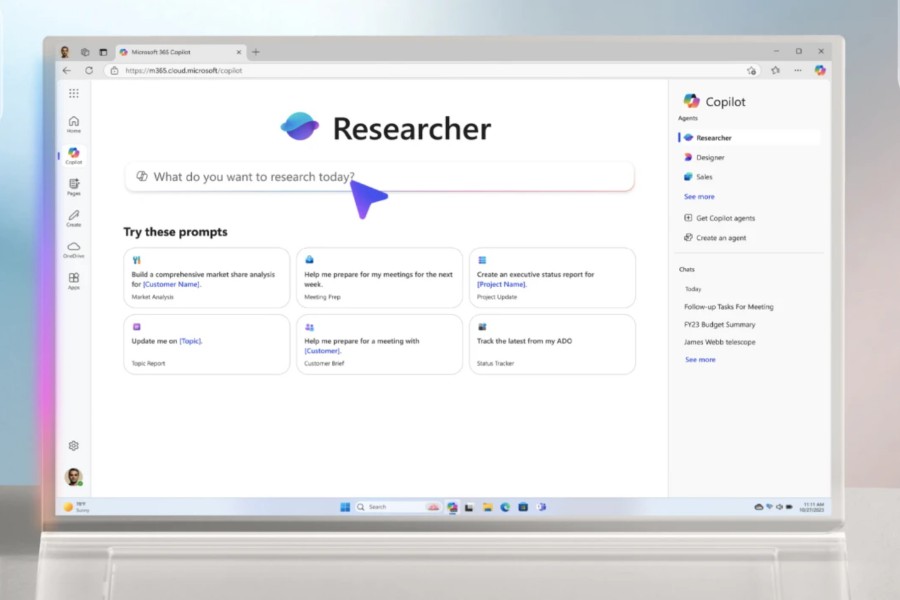
Microsoft is late to the party, but it is finally bringing a deep research tool of its own to the Microsoft 365 Copilot platform across the web, mobil

After an explosive launch, a viral trend, and some melted GPUs, the new image generation feature for ChatGPT is now available to free users. The featu
MediaTek has today launched a new silicon for Chrome OS devices, one that puts it roughly in the same performance league as the Copilot+ PCs hawked by
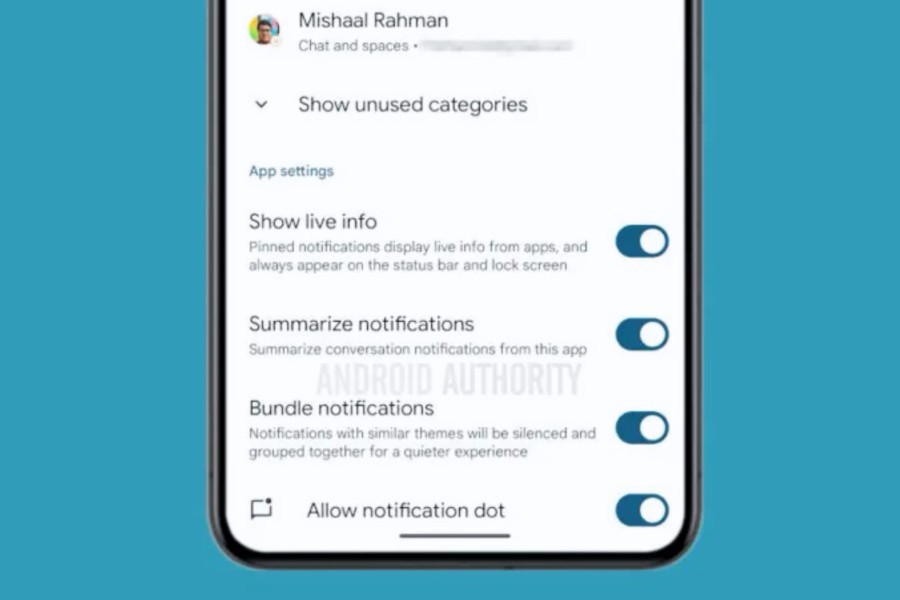
So far, Google has done an admirable job of putting generative AI tools on Android smartphones. Earlier today, it announced further refinements to how

OpenAI is inconsistent in a lot of things — is it a non-profit or a for-profit? Is Sam Altman fit to be CEO or not? But one thing the company has alwa
Tech for Change This story is part of Tech for Change: an ongoing series in which we shine a spotlight on positive uses of technology, and showcase ho
We are a comprehensive and trusted information platform dedicated to delivering high-quality content across a wide range of topics, including society, technology, business, health, culture, and entertainment.
From breaking news to in-depth reports, we adhere to the principles of accuracy and diverse perspectives, helping readers find clarity and reliability in today’s fast-paced information landscape.
Our goal is to be a dependable source of knowledge for every reader—making information not only accessible but truly trustworthy. Looking ahead, we will continue to enhance our content and services, connecting the world and delivering value.