
That moment when I told ChatGPT it needed a history lesson, and it agreed with me
I had an experience this week which forcefully reminded me that ChatGPT and Google’s Gemini were great but not perfect. And to be clear, I have jumped

Anthropic has thrown its hat in the race to establish an AI-based web search feature, which it announced on Thursday.
The feature is based on Anthropic’s Claude 3.7 Sonnet model and integrates web search into the chatbot tool. You can enable the feature in your profile settings. With an AI prompt, you will receive contextual results with search engine sources included, instead of just the link options you would receive in a standard search result. The web search feature will be available, first to paid U.S. customers and will roll out to additional users at a later time.
Anthropic has launched its web search feature to stay in pace with other AI-forward brands such as OpenAI, which introduced a similar ChatGPT search tool in the fall of 2024. OpenAI’s feature similarly began as a more exclusive tool for paid subscribers but has since been made available to all users. While Anthropic notably has Google as one of its venture partners, the brand has also recently rolled out a feature called AI mode as a preview to Google One Premium customers.
While Anthropic has noted several enterprise use cases, including analyzing industry trends and research for grant proposals, the company has also determined that the web search feature could be ideal for comparison shopping, according to Venture Beat.
Before Anthropic and other brands began integrating web search into AI tools, users had to utilize search engines and chatbots in tandem to complete various research– inserting information into different mediums where necessary. Now, web search features can simplify the steps for users to get the information they need under one platform, the publication added.
However, Android Headlines noted the downside to the rapidly developing AI technologies that are trying to keep up with one another. Initially, OpenAI developed its ChatGPT search to keep up with Google Search, then Google developed its AI Mode to keep up with ChatGPT. Now Anthropic has developed its web search to keep up with both competitors.
Meanwhile, all of these options stand to cannibalize the already-standing web results as search engines begin to favor results from AI tools such as Perplexity, ChatGPT Search, and AI Overviews over traditional websites. According to a recent study, AI search engines send 96% less traffic to news sites than Google search. This is likely due to the AI options using links as annotations instead of the primary source for users to do the research themselves, so users are less likely to navigate away from the AI tool page.

I had an experience this week which forcefully reminded me that ChatGPT and Google’s Gemini were great but not perfect. And to be clear, I have jumped
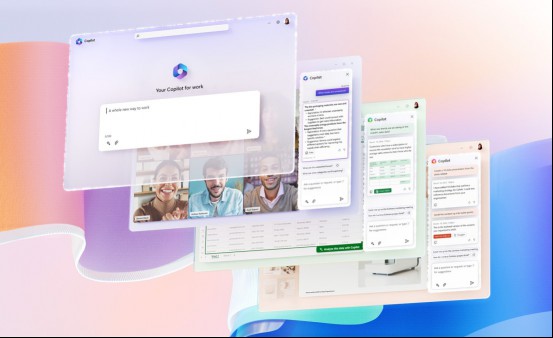
articiOver the past few years, AI has gone from limited chatbots to suddenly dominating the news cycle every single day. There are a range of AI chatb

The idea of a truly helpful digital assistant has caught more steam ever since products like ChatGPT landed on the scene. Google’s Gemini has inched p
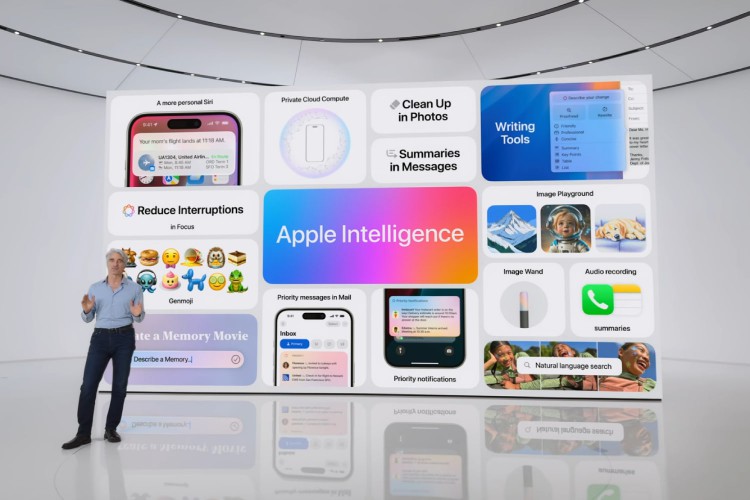
Apple WWDC This story is part of our complete Apple WWDC coverage It’s that time of year when Apple announces the dates for its Worldwide Developers C

ChatGPT didn’t just emerge onto the AI scene, it birthed an entire revolution of AI assistants and agents and made them accessible to consumers who we

GoogleGoogle announced Wednesday that it is removing its Gemini AI model from the Google app on iOS, meaning that Apple users will need to download th

Elon Musk has thrown his hat into the already crowded AI ring with Grok, a conversational AI designed to challenge both the likes of ChatGPT and Midjo
We are a comprehensive and trusted information platform dedicated to delivering high-quality content across a wide range of topics, including society, technology, business, health, culture, and entertainment.
From breaking news to in-depth reports, we adhere to the principles of accuracy and diverse perspectives, helping readers find clarity and reliability in today’s fast-paced information landscape.
Our goal is to be a dependable source of knowledge for every reader—making information not only accessible but truly trustworthy. Looking ahead, we will continue to enhance our content and services, connecting the world and delivering value.