
Mountainhead creator says he ‘scraped AI companies back’ to make his movie
Mountainhead writer and director Jesse Armstrong has said he’s “pretty sure that the AI companies have been scraping my material along with everyone e
An AI expert has accused OpenAI of rewriting its history and being overly dismissive of safety concerns.
Former OpenAI policy researcher Miles Brundage criticized the company’s recent safety and alignment document published this week. The document describes OpenAI as striving for artificial general intelligence (AGI) in many small steps, rather than making “one giant leap,” saying that the process of iterative deployment will allow it to catch safety issues and examine the potential for misuse of AI at each stage.
Among the many criticisms of AI technology like ChatGPT, experts are concerned that chatbots will give inaccurate information regarding health and safety (like the infamous issue with Google’s AI search feature which instructed people to eat rocks) and that they could be used for political manipulation, misinformation, and scams. OpenAI in particular has attracted criticism for lack of transparency in how it develops its AI models, which can contain sensitive personal data.
The release of the OpenAI document this week seems to be a response to these concerns, and the document implies that the development of the previous GPT-2 model was “discontinuous” and that it was not initially released due to “concerns about malicious applications,” but now the company will be moving toward a principle of iterative development instead. But Brundage contends that the document is altering the narrative and is not an accurate depiction of the history of AI development at OpenAI.
“OpenAI’s release of GPT-2, which I was involved in, was 100% consistent + foreshadowed OpenAI’s current philosophy of iterative deployment,” Brundage wrote on X. “The model was released incrementally, with lessons shared at each step. Many security experts at the time thanked us for this caution.”
Brundage also criticized the company’s apparent approach to risk based on this document, writing that, “It feels as if there is a burden of proof being set up in this section where concerns are alarmist + you need overwhelming evidence of imminent dangers to act on them – otherwise, just keep shipping. That is a very dangerous mentality for advanced AI systems.”
This comes at a time when OpenAI is under increasing scrutiny with accusations that it prioritizes “shiny products” over safety.

Mountainhead writer and director Jesse Armstrong has said he’s “pretty sure that the AI companies have been scraping my material along with everyone e
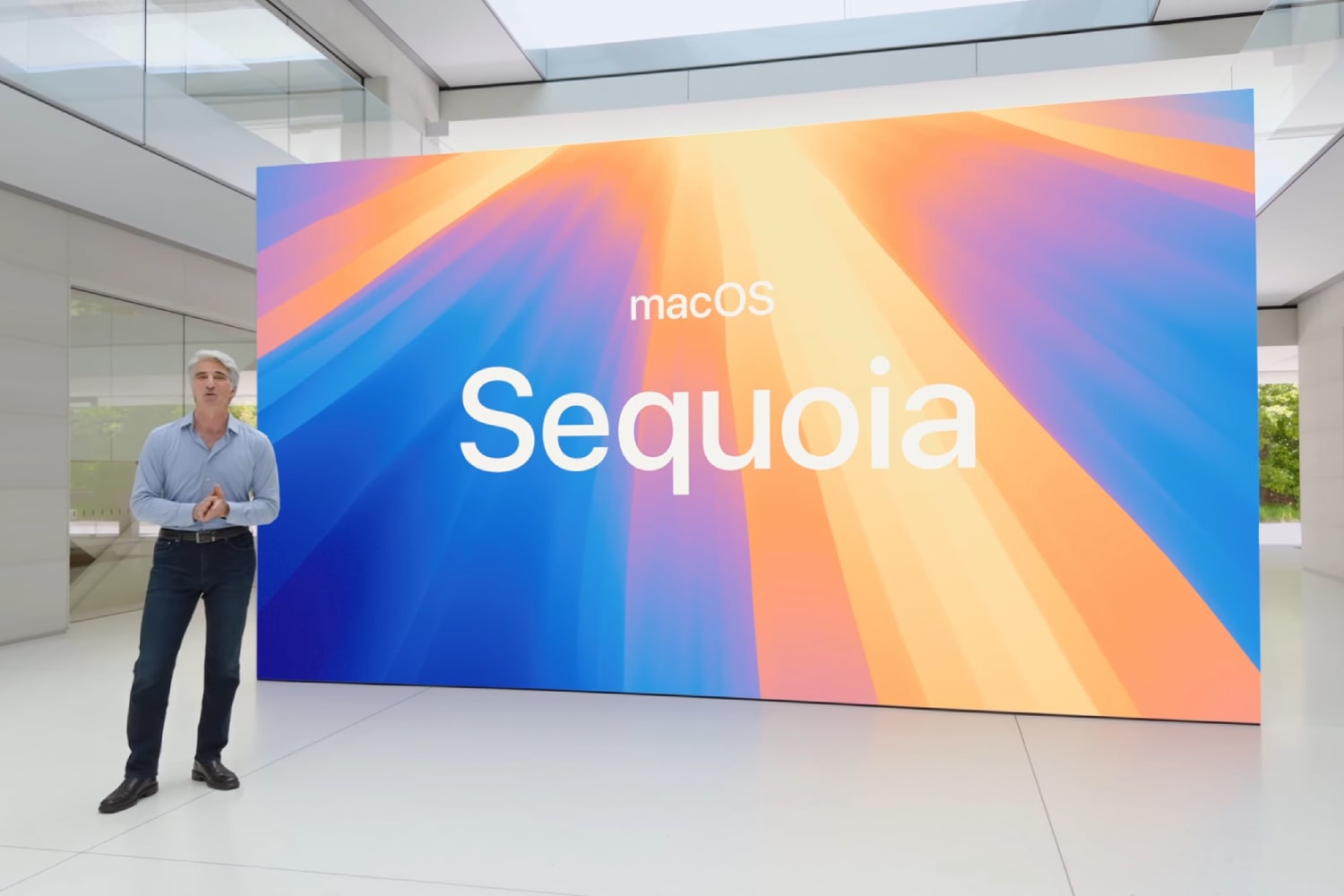
Apple WWDC This story is part of our complete Apple WWDC coverage Apple’s Worldwide Developers Conference (WWDC) is just two months away, and that mea

Snapchat is bringing generative AI videos to its social platform. The company has today introduced what it calls Video Gen AI Lenses, which essentiall

If you are an Android user wanting to avoid Google Gemini as your default digital assistant, you’re in luck! The latest beta version of ChatGPT allows
OpenAI has released its latest model, o1-pro, an updated version of its reasoning model o1 — but it’s not going to come cheap.“It uses more compute th

Over the past year or so, a strange contradiction has emerged in the world of Apple: the company makes some of the best computers in the world, whethe
OpenAIFollowing its U.S. debut in January, OpenAI’s Operator AI agent will soon be expanding to eight new nations, the company announced on Friday.“O

An empty Maserati MC20 driven by an AI system recently set a new speed record for an autonomous vehicle, reaching a blistering 197.7 mph (318 kph) at
We are a comprehensive and trusted information platform dedicated to delivering high-quality content across a wide range of topics, including society, technology, business, health, culture, and entertainment.
From breaking news to in-depth reports, we adhere to the principles of accuracy and diverse perspectives, helping readers find clarity and reliability in today’s fast-paced information landscape.
Our goal is to be a dependable source of knowledge for every reader—making information not only accessible but truly trustworthy. Looking ahead, we will continue to enhance our content and services, connecting the world and delivering value.