
Google Gemini eases web surfing for users with vision and hearing issues
Android devices have offered a built-in screen reader feature called TalkBack for years. It helps people with vision problems to make sense of what ap

Mountainhead writer and director Jesse Armstrong has said he’s “pretty sure that the AI companies have been scraping my material along with everyone else’s to train their large language models,” and that to find the right voices for the movie’s tech-bro characters, “I’ve been scraping them back.”
Mountainhead, which lands on HBO this weekend, is a dark satire about a group of tech billionaires who retreat to a secluded mountain lodge during a global crisis — a crisis that’s exacerbated by their own creations, including highly convincing AI-generated deepfakes and a social media platform that fuels misinformation and instability.
Speaking in an interview broadcast on Tuesday by the BBC’s The World Tonight, Armstrong said that his “scraping” process involved accessing large amounts of content online to help him shape the characters’ voices, “especially the tech CEOs and founders, because they all make themselves available on innumerable podcast and TED talks.”
The Succession showrunner and co-writer added: “It was crucial for me to tune into their particular voices, partly the vocabulary, a bit the philosophy, the whole package of how they approach the world with this tremendous confidence. Getting that voice was actually the reason that I pitched the film because I couldn’t get that overweening confident voice out of my head, and it’s a funny voice because it lacks a certain amount of self-awareness.”
AI companies like ChatGPT creator OpenAI, Google, and Meta are known to use (or scrape) online content to train their large language models (LLMs), which power the AI platforms. It’s a controversial issue, with creators understandably upset at having their content used without permission, recognition, or payment.
On the topic of how generative AI could impact his own industry, Armstrong commented that “eventually it will be able to do pretty much everything.”
When asked if it can already write as well as him, Armstrong laughed, saying, “People can judge for themselves,” adding, “At the moment, the part of it which is creative is somewhat limited. Their large language models are predictive and they give you a bit of what you want and a bit of what they think might come next so they’re pretty good at mimicry, not great at creativity. But I’m sure that part will come.”
Mountainhead premieres on HBO on Saturday, May 31.
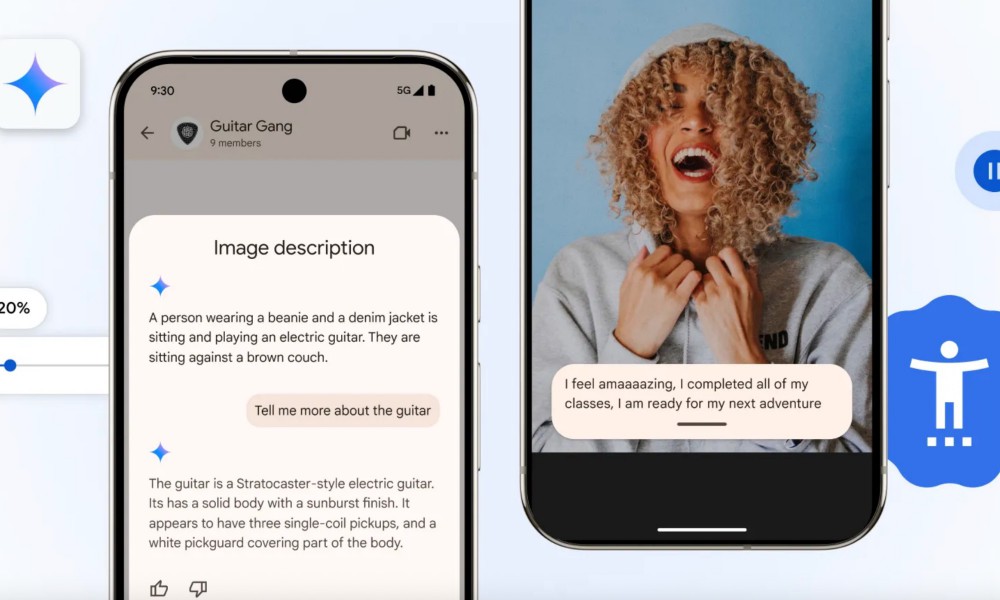
Android devices have offered a built-in screen reader feature called TalkBack for years. It helps people with vision problems to make sense of what ap
ChatGPT’s recent image generation capabilities have challenged our previous understanding of AI-generated media. The recently announced GPT-4o model d
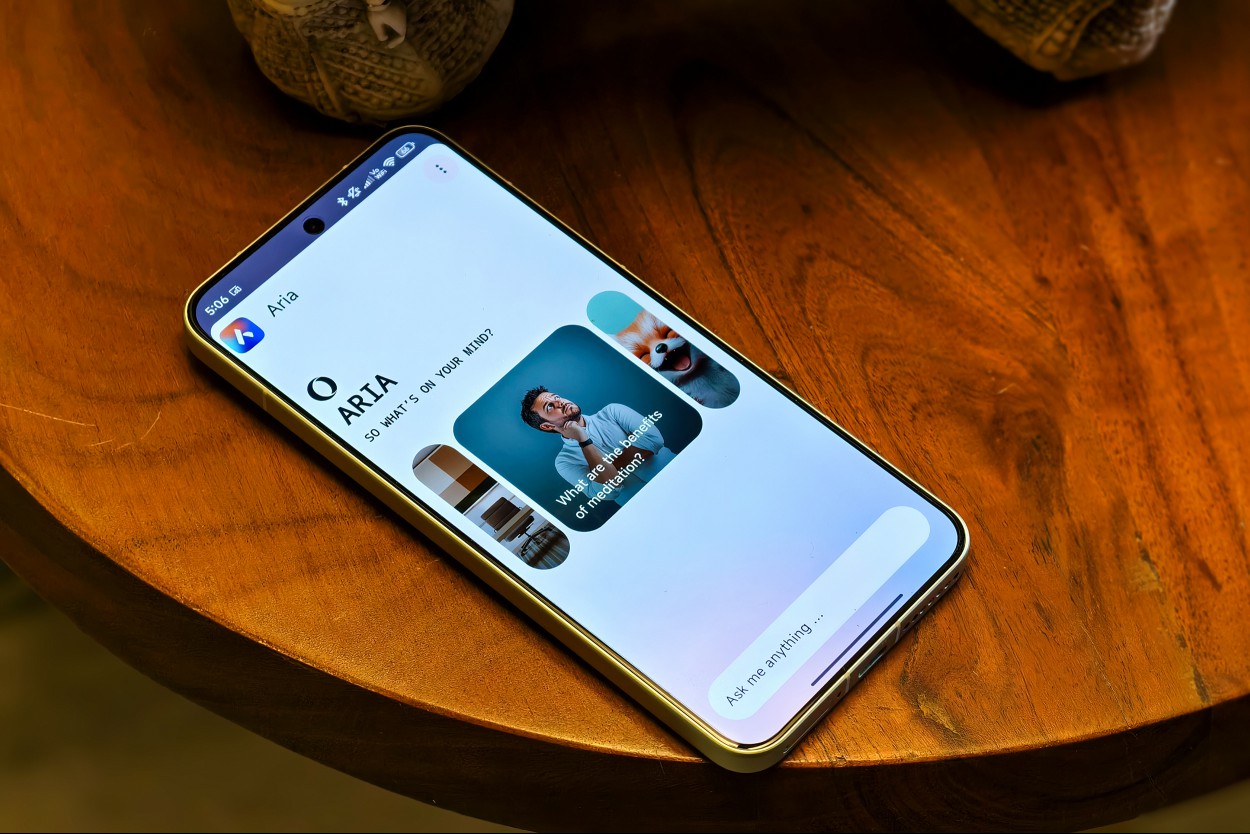
Opera Mini is a mobile browser with a decadeslong legacy that predates the launch of even mobile platforms, including Android or iOS. Its popularity h
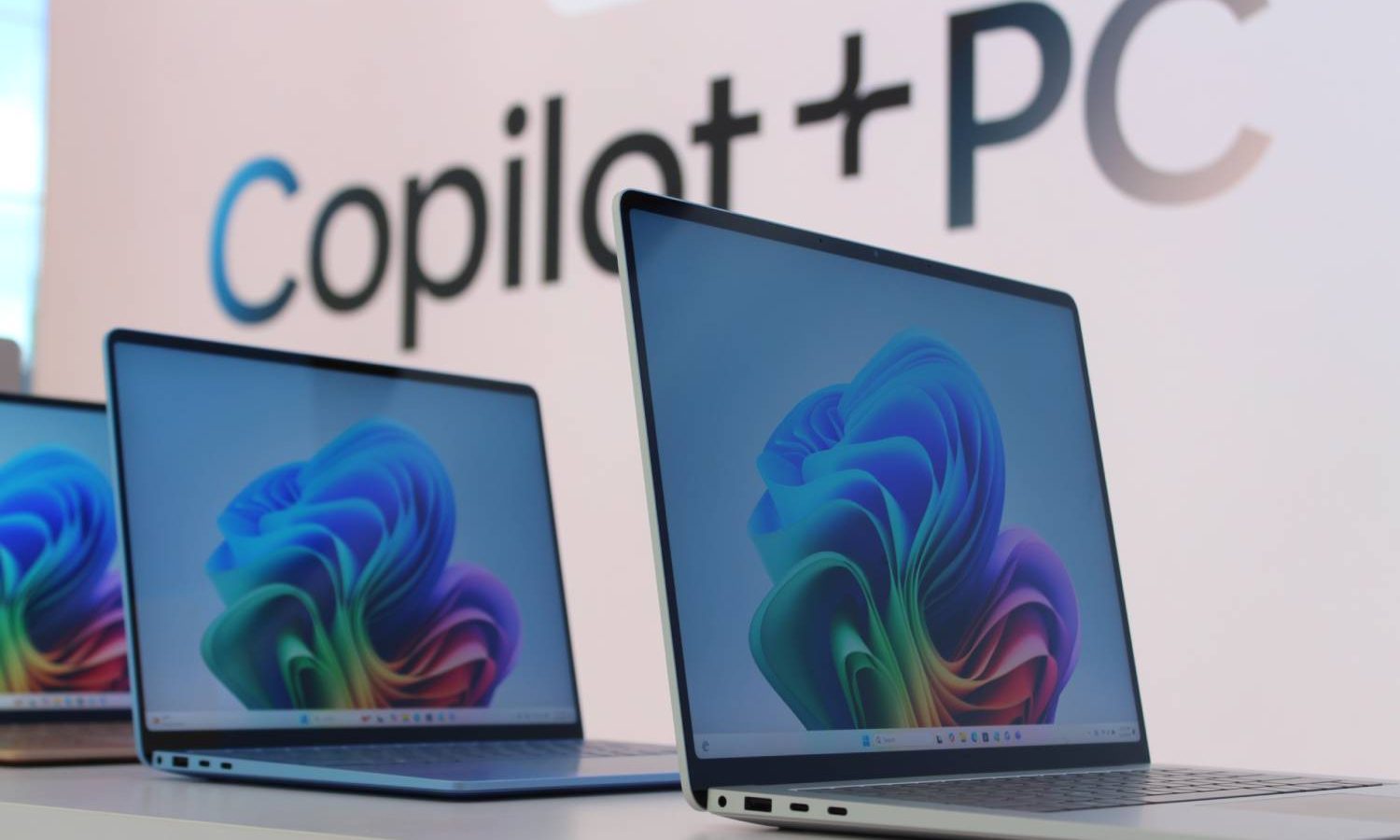
In a Windows Insider blog post, Microsoft announced an AI upgrade to Windows Search to make finding photos, documents, and settings easier. However, t

If you’ve been dreaming about having a more in-depth conversation with one of your favorite gaming characters, it seems that Sony is working on making

Tech for Change This story is part of Tech for Change: an ongoing series in which we shine a spotlight on positive uses of technology, and showcase ho

Update: A Google spokesperson responded to our queries. The story has been updated with their answers in a dedicated section below. Google is pushing

Adobe FireflyFollowing on the success of its IP-friendly Firefly Image model, Adobe announced on Wednesday the beta release of a new Firefly Video mod
We are a comprehensive and trusted information platform dedicated to delivering high-quality content across a wide range of topics, including society, technology, business, health, culture, and entertainment.
From breaking news to in-depth reports, we adhere to the principles of accuracy and diverse perspectives, helping readers find clarity and reliability in today’s fast-paced information landscape.
Our goal is to be a dependable source of knowledge for every reader—making information not only accessible but truly trustworthy. Looking ahead, we will continue to enhance our content and services, connecting the world and delivering value.