
Microsoft Copilot Vision turns your phone camera into an interactive visual search tool
Late last year, Microsoft introduced a new AI feature called Copilot Vision for the web, and now it’s being made available on mobile devices. This fea
The first landmark win in an AI copyright case is here. A Delaware court has ruled that a tech startup used copyright-protected material to build a competing AI-based legal product, which is against the law, handing over a remarkable win to Thomson Reuters.
This is the first major victory for a plaintiff fighting against an AI company over what constitutes “fair use” of material owned by another entity. The parent company of the Reuters news agency has been tangled in a lengthy legal case against Ross Intelligence, an AI company that lifted material from Thomson Reuters’s Westlaw platform.
The plaintiff argued in court that Ross Intelligence’s usage of material pulled from its database to train an AI-powered legal research tool was not fair use, and that it infringed on copyright-protected material.
In their ruling, U.S. Circuit Judge Stephanos Bibas rejected Ross’ claims that its conduct was “innocent infringement,” granting a summary judgment in favor of Thomson Reuters. At the center of the case is the concept of fair use, which is broadly dependent on four factors:
(1) The purpose and character of using copyright material, including whether it is commercial or nonprofit
(2) The nature of the copyrighted work that was used
(3) How much of the work was used and how substantial a part it was relative to the copyrighted work’s whole
(4) How does the usage affect the copyrighted work’s value or potential market position
The district court’s decision was a 2-2 split between Ross Intelligence and Thomson Reuters, but Judge Bibas ruled that the fourth factor outweighs the rest. The latest court ruling could set the ball rolling for more decisive action in other cases where AI companies have been dragged to court for unfairly using copyright-protected content.
One of the biggest such cases involved The New York Times mounting a legal challenge against OpenAI and its backer Microsoft for using the news outlet’s content without proper authorization to train its AI products such as ChatGPT. Getty’s lawsuits against Stability AI are another example where the “scraping” of content without due licensing or compensation was challenged.
Amazon-backed Anthropic also found itself tangled in a copyright battle against the Universal Music Group. Recently, we have seen a new trend where two supposedly warring sides strike a licensing deal to quell the copyright disputes. OpenAI has struck licensing deals with Axios, Hearst, and CondeNast, among others. Perplexity, stung by its own long list of copyright lawsuits, has inked similar partnerships with Fortune and Times, to name a few.
Meta, Google, and Microsoft have also signed similar deals with “content” partners. Even the Reuters news agency has entered into a licensing partnership with Meta. But striking licensing deals is merely a stop-gap solution.
Experts are still divided and seek further clarity on what constitutes copyright law in the age of AI. For example, if an AI model is regurgitating a paraphrased version of someone’s copyright-protected material, what degree of similarity between the two would trigger a copyright infringement lawsuit? We’ll find out soon.
Late last year, Microsoft introduced a new AI feature called Copilot Vision for the web, and now it’s being made available on mobile devices. This fea
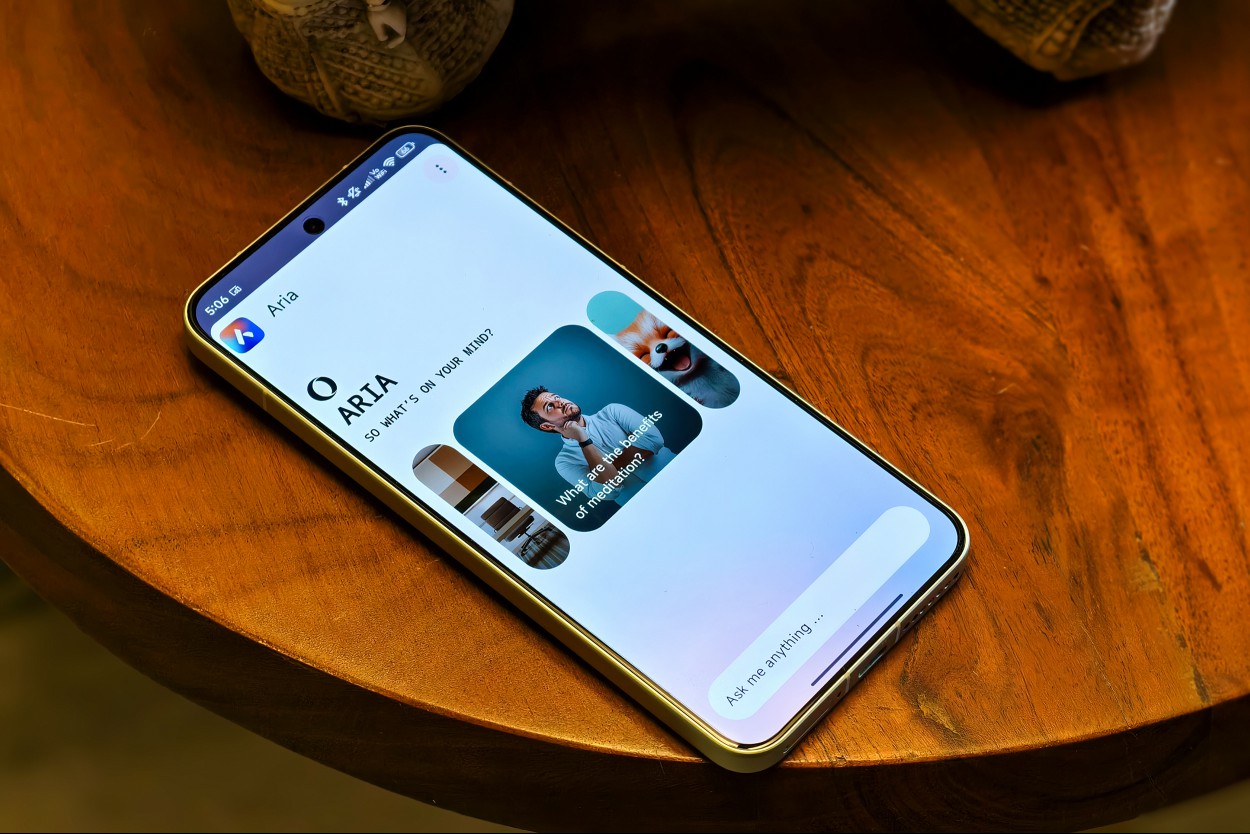
Opera Mini is a mobile browser with a decadeslong legacy that predates the launch of even mobile platforms, including Android or iOS. Its popularity h
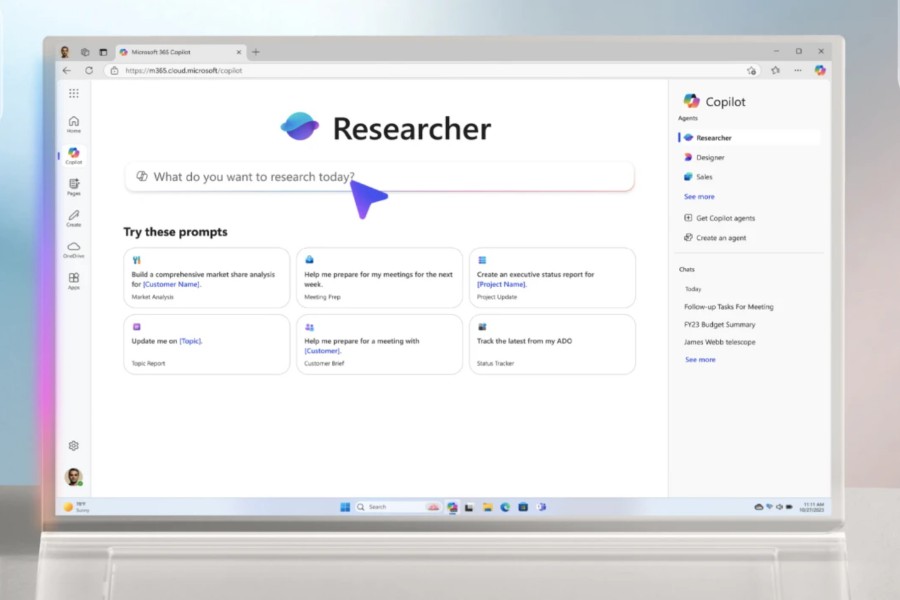
Microsoft is late to the party, but it is finally bringing a deep research tool of its own to the Microsoft 365 Copilot platform across the web, mobil
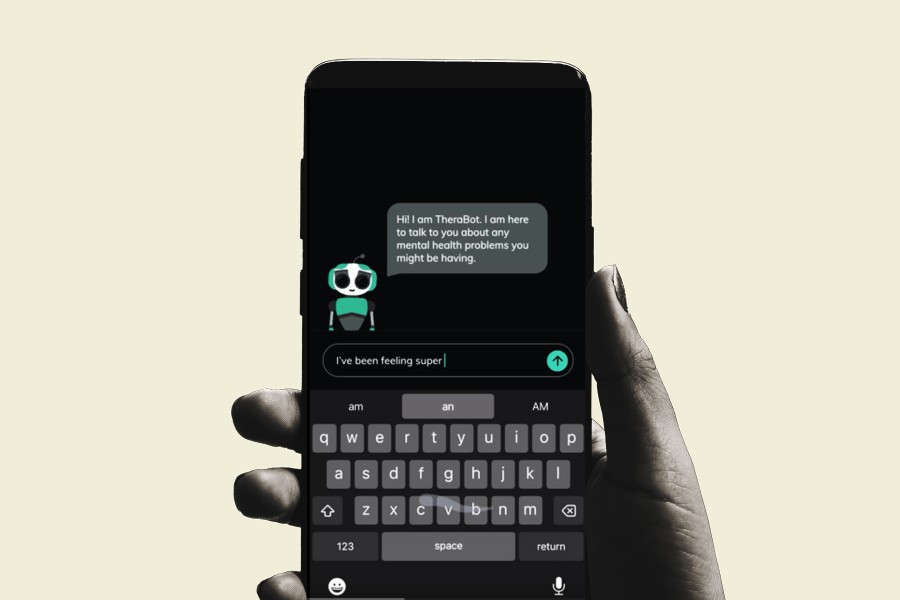
AI is being heavily pushed into the field of research and medical science. From drug discovery to diagnosing diseases, the results have been fairly en
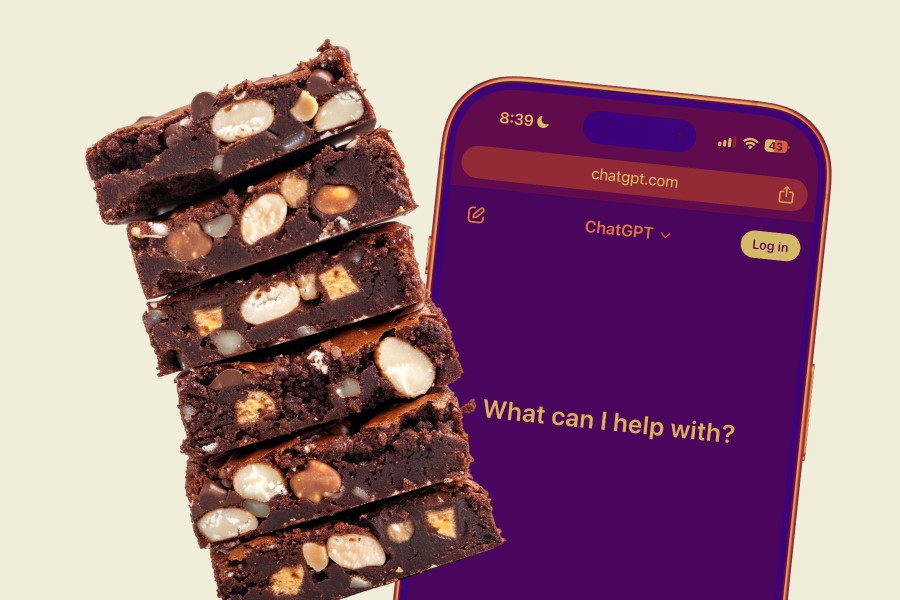
OpenAI’s ChatGPT tool has found widespread adoption, from assisting with academic work and domain-specific deep research to speeding up drug discovery
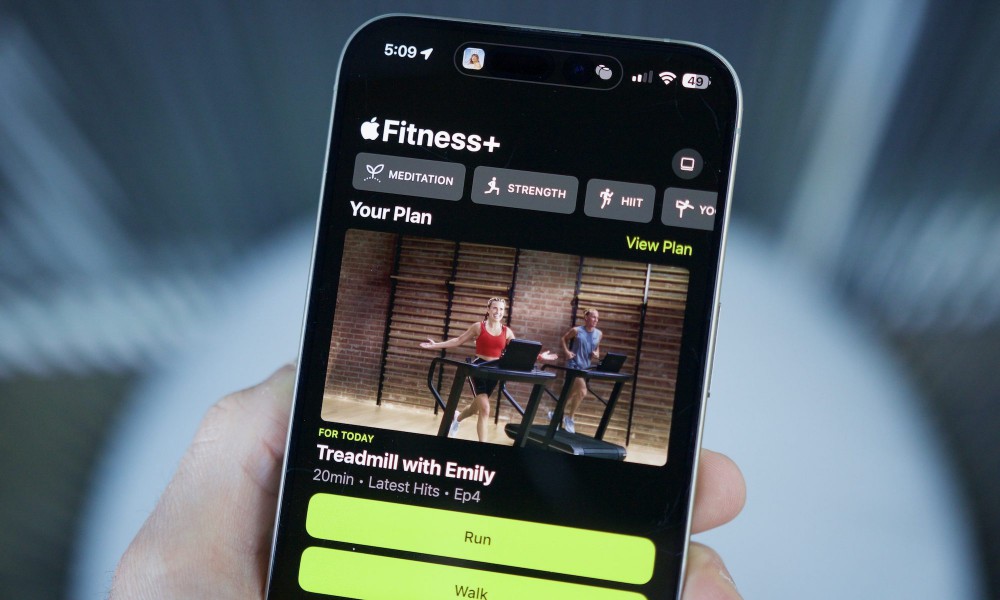
Apple’s efforts in the health segment are a class ahead of the competition. But more than just racing ahead with innovation, the company has taken a m

It was late in 2024 when we first heard rumors of a new HomeKit device that would essentially blend a HomePod and iPad, and serve it atop an AI softwa
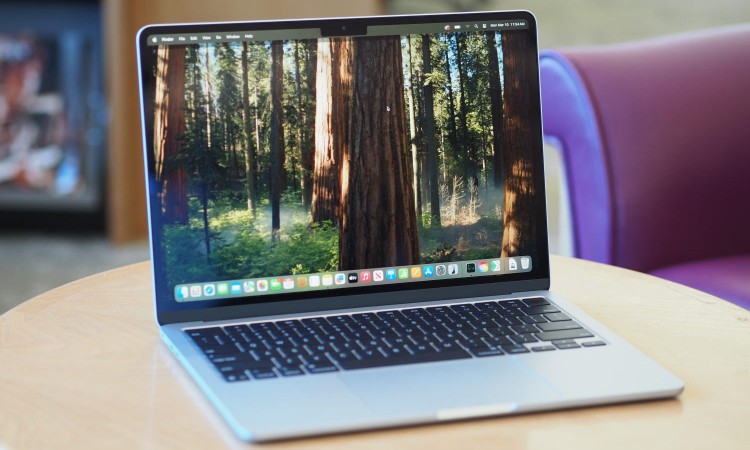
Our review of the M4 MacBook Air has just dropped, and it’s fair to say it’s one of the best laptops money can buy. For the first time ever, we gave i
We are a comprehensive and trusted information platform dedicated to delivering high-quality content across a wide range of topics, including society, technology, business, health, culture, and entertainment.
From breaking news to in-depth reports, we adhere to the principles of accuracy and diverse perspectives, helping readers find clarity and reliability in today’s fast-paced information landscape.
Our goal is to be a dependable source of knowledge for every reader—making information not only accessible but truly trustworthy. Looking ahead, we will continue to enhance our content and services, connecting the world and delivering value.